I love to tell the following story on Sukkot:
Once upon a time there was a very generous king. He decided to replace any decrepit or unlivable housing with bright new homes for all of his subjects. Everyone was to have a lovely place to live. The people were very grateful and the kingdom prospered. The king took a tour of his kingdom; he went all over and was greeted with great joy. In his capitol city, however, he found, in an out-of-the-way area, a rundown shack. He found a family inside, living there. Shocked, he asked them, "How is it that your house was not replaced as all the others were? Why do you still live in this shack?" The family replied to the king, "The townspeople have forgotten us."
The king was distraught. He realized, if the townspeople can forget this family that lives in their midst, how much more could they forget the King himself, who lives far from them in the palace and only appears occasionally! He ordered the family's home replaced with a new one, and he had their old shack moved to the center of town. Over it was placed a sign: "This is the kind of shack we ALL used to live in."
The Jewish holiday of Sukkot, which began on Monday night, is that reminder for us. Once a year, for a week, we are commanded to "dwell" in the Sukkah. A sukkah is meant to be flimsy, and its roof is required to be open to the stars. It's not meant as a comfortable, warm dwelling. Instead, it serves to remind us of the fragility of our lives and our world. There are so many other reasons and explanations for the holiday of Sukkot but this one, I believe, is so important. When we consider that almost half the world — over 3 billion people — live on less than $2.50 a day, it's wise to remind ourselves regularly that our cozy lives do not exist in a vacuum. When we consider that 1 billion children live in poverty, it makes us appreciate the ability to feed and clothe our own children. When we consider that 640 million children live without adequate shelter, eating a few meals in the Sukkah seems like small potatoes. (Stats according to UNICEF, via
http://www.globalissues.org/article/26/poverty-facts-and-stats)
What can we do? There are so many ways to help others, through giving and doing. The Blog Action Day blog has a list of
88 ways to do something about poverty. Some of them are pretty simple - yet doing them is possibly a first step towards changing the world. Our sages taught: "Ours is not to complete the work of the world. But that does not allow us the freedom to do nothing." (That is a paraphrase.)
This year at
Am Shalom, we tried to give our congregational sukkah a "mitzvah theme." We collected mittens and gloves and hung them as our decorations. It looks great! And when people wonder why there are all those mittens hanging in our sukkah, we have a wonderful opportunity to share with them how many people are in need in our own city. (Photo below)
I'm also participating in the
Donors Choose Blogger Challenge. See the left-hand sidebar to check out some of the amazing school projects that are in need of our help. It seems like such a small amount of money, and we can have so much impact. Education is one of the keys to overcoming poverty. Let's help make sure that students have the resources they need.
UPDATED: Thanks to a great idea from this blogger, I will donate $1.00 to a Donors Choose educational project for every comment on this post.
Are you joining in
Blog Action Day? Leave your link in a comment or email me (phyl613 at yahoo.com) and I'll add a link to you here in this post.
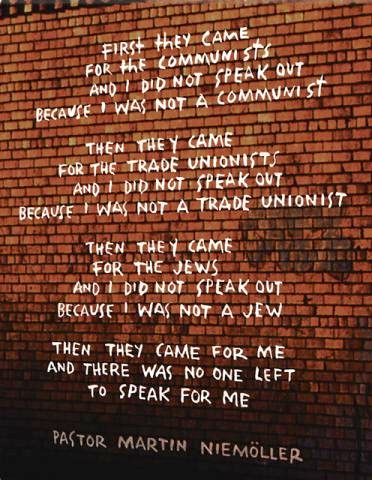
We cannot afford to be silent any longer.
Other Blog Action Day Posts:
Fighting Poverty with the Crunchy Domestic Goddess